Why Frameless LED Shop Signage Is Transforming Retail Window Displays
In today’s retail environment, storefront windows are no longer just places to display products — they are often the first point of interaction between a brand and potential customers. As visual competition in physical retail continues to intensify, more businesses are turning to digital displays to capture attention, and frameless LED shop signage has quickly emerged as a compelling solution.
Unlike traditional display screens with visible borders, frameless LED designs minimize structural distractions, allowing content to appear more seamlessly integrated into the surrounding space. This subtle shift in presentation can significantly influence how passersby perceive both the display and the brand itself.
Why does “frameless design” improve visual perception?
Conventional display screens typically include noticeable bezels that frame the content. While structurally necessary, these borders often create a visual separation between the screen and its environment. In a retail window, this can interrupt the flow of the display and reduce immersion.
Frameless LED signage addresses this by reducing or eliminating visible edges, allowing visuals to feel as though they exist directly on the glass or wall surface. For people walking past a storefront, this creates a cleaner and more intuitive viewing experience, where attention naturally shifts to the content rather than the hardware.
In fast-paced urban environments, where customers may only glance at a window for a few seconds, this uninterrupted presentation can make a meaningful difference.
How dynamic content reshapes storefront engagement
Traditional window displays rely heavily on static materials such as posters or backlit panels. While effective to a certain extent, these formats struggle to compete in environments where visual stimuli are constantly changing.
LED displays introduce motion, subtle transitions, and looping content, all of which can draw the eye more effectively than static visuals. Even minimal animation can create a sense of liveliness that encourages people to pause, observe, and engage.
This shift from static to dynamic storytelling allows brands to communicate more information within a shorter time span, making storefront displays not just decorative, but communicative and adaptive.
A better fit for modern retail aesthetics
Retail design today places strong emphasis on cohesion and minimalism. Every element within a store, from lighting to materials, is carefully curated to reflect brand identity. In such environments, bulky or visually intrusive display equipment can feel out of place.
Frameless LED signage offers a more refined presence. When turned off, it can appear as a clean, neutral surface that blends into the environment. When activated, it transforms into a dynamic visual layer without disrupting the overall design language.
This ability to “appear and disappear” visually makes it particularly suitable for premium retail spaces, flagship stores, and curated window displays.
LED vs traditional display technologies in storefronts
While LCD screens remain common in retail, they often face limitations in brightness and visibility, especially in window-facing applications exposed to ambient light.
LED displays, on the other hand, are designed to deliver higher brightness levels and stronger visual impact. This makes them more suitable for storefront environments where content must remain visible even under varying lighting conditions.
Additionally, LED technology allows for more flexible sizing and configuration, enabling better alignment with architectural elements.
If you’d like to explore how frameless LED signage looks in real storefront applications
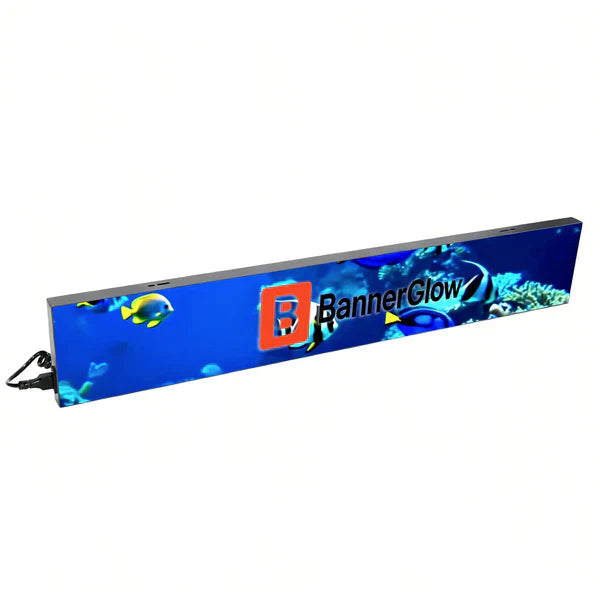
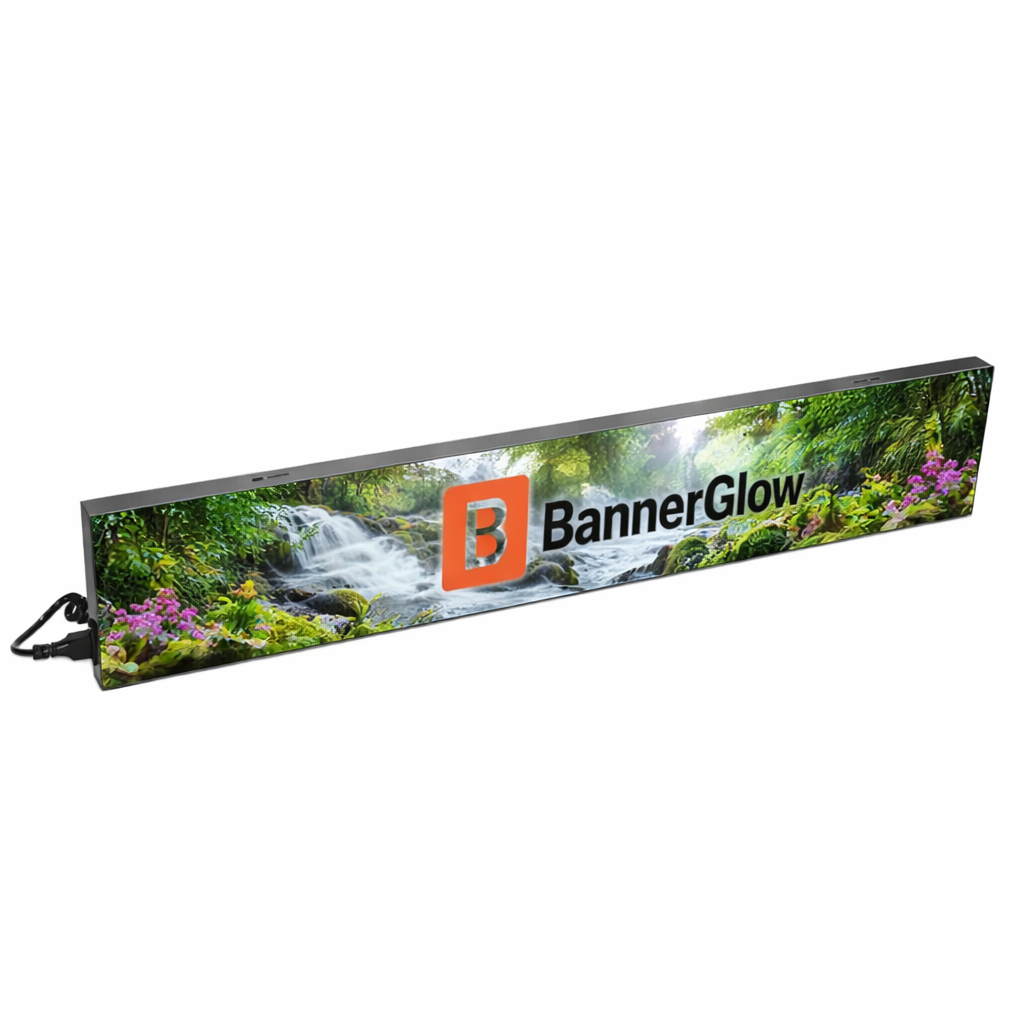
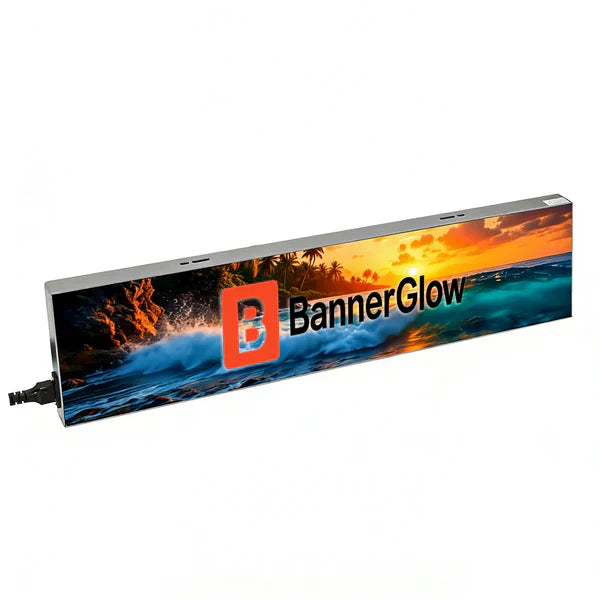
To better understand how these concepts translate into actual installations, you can refer to the following examples:
|
Examples of frameless LED shop signage in real retail settings |
Conclusion
As retail spaces continue to evolve toward more immersive and design-conscious environments, display technologies are adapting accordingly. Frameless LED shop signage represents not just a technical upgrade, but a shift toward more integrated and visually coherent communication.
By reducing visual barriers between content and space, it allows brands to present their message in a way that feels both natural and impactful.