Article: GOB and Mirror-Finish LED Signage: Balancing Durability and Design in Retail
GOB and Mirror-Finish LED Signage: Balancing Durability and Design in Retail
Retail display solutions must meet two key requirements: they need to perform reliably over time, and they must align with the visual identity of the space. Historically, achieving both durability and aesthetic integration has been challenging.
However, innovations such as GOB (Glue-on-Board) protection and mirror-finish design are helping bridge this gap in modern LED shop signage.
Why durability matters more in retail environments
Unlike controlled environments such as offices or control rooms, retail spaces expose display equipment to a wider range of interactions. Screens may be placed close to customers, making them more susceptible to accidental contact, dust accumulation, or routine cleaning processes.
Over time, even minor external factors can affect performance if the display is not adequately protected. This makes durability a critical consideration, particularly for installations intended to operate continuously.
How GOB technology enhances reliability
GOB technology involves applying a transparent protective layer over the LED module surface, effectively sealing the components. This added layer helps shield the LEDs from physical impact and environmental exposure.
In practical terms, this means the display is less sensitive to everyday interactions, such as light touches or cleaning. It also reduces the likelihood of damage caused by dust or moisture entering the module.
For retail applications, this translates into a more stable long-term display solution that requires less frequent intervention.
The role of mirror-finish design in spatial integration
While durability ensures longevity, visual integration determines how well the display fits within a space. Mirror-finish LED signage addresses this by reflecting its surroundings when not in use, allowing it to blend naturally into the environment.
Instead of appearing as a dark or inactive screen, the display becomes part of the interior design. When activated, it transitions into a dynamic visual surface, delivering content without disrupting the overall aesthetic.
This dual-state functionality makes it particularly appealing for brands that value both technology and design consistency.
When technology and design work together
The combination of GOB protection and mirror-finish design represents a broader trend in display technology — one that moves beyond pure functionality toward a more holistic approach.
Rather than forcing a trade-off between durability and appearance, modern LED signage can now address both simultaneously. This allows retailers to implement digital displays without compromising their design vision or operational reliability.
If you’d like to see how these features come together in real products
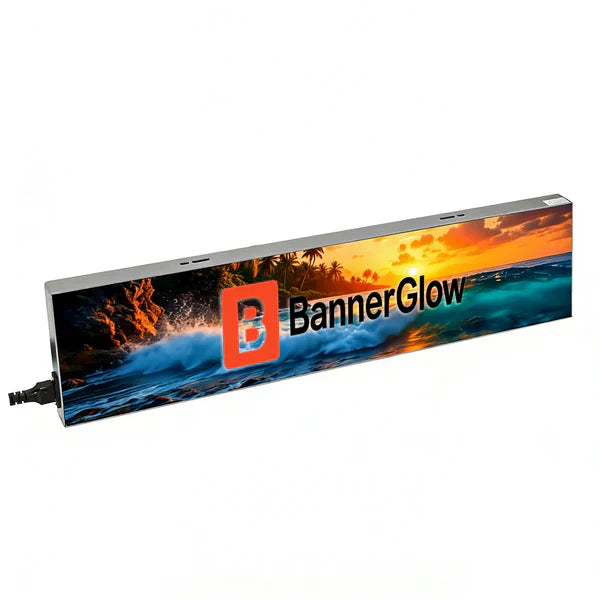
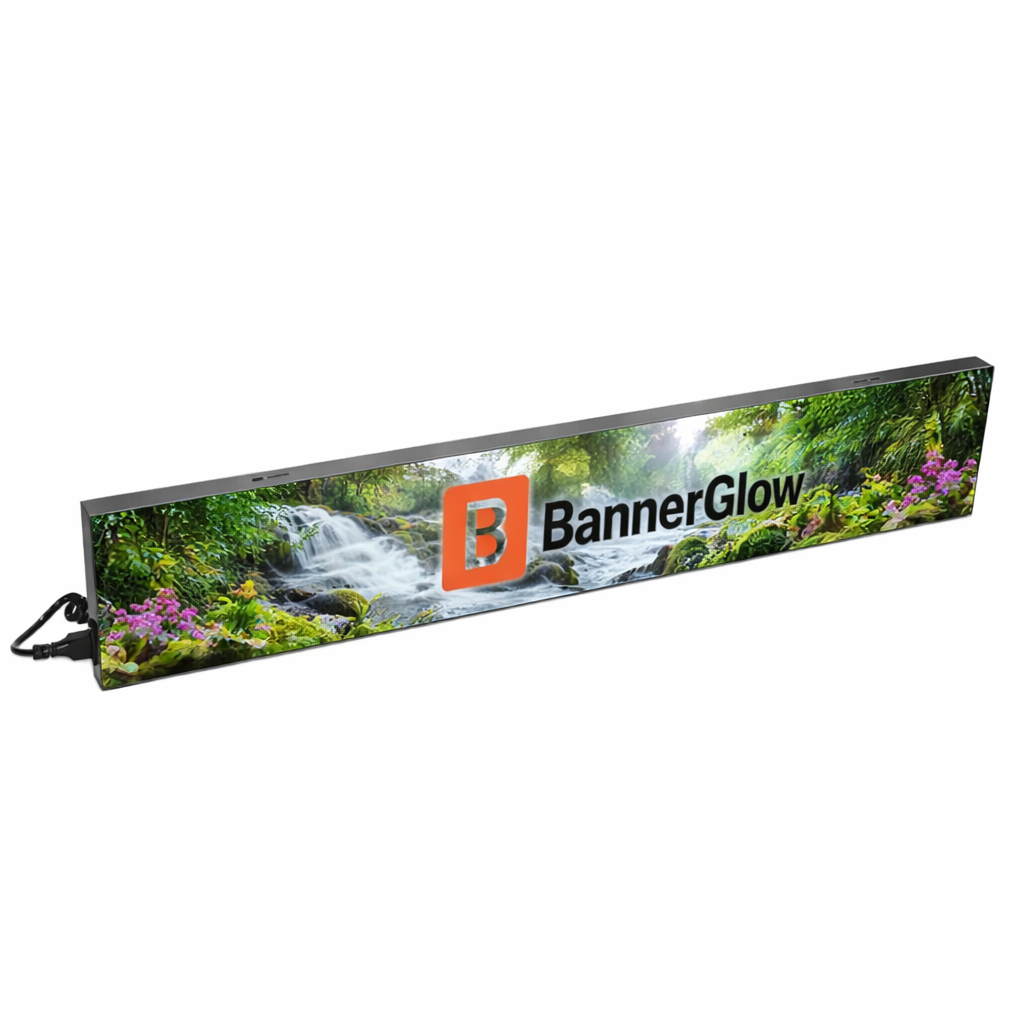
The following examples provide a clearer picture of how durability and design can be integrated into a single solution:
|
Examples showcasing GOB and mirror-finish LED shop signage |
Conclusion
As retail environments become more design-driven and experience-focused, display technologies must evolve to meet both functional and aesthetic expectations. By combining protective engineering with thoughtful visual design, modern LED shop signage is better equipped to serve these dual roles.
This integration not only improves reliability but also allows digital content to become a natural extension of the physical space.