Article: Key Factors for Choosing High-Brightness LCD Window Displays
Key Factors for Choosing High-Brightness LCD Window Displays
Start with the Application Scenario
When selecting a high-brightness LCD window display, the first consideration should be the specific application scenario. Window size, lighting conditions, viewing distance, and foot traffic all influence the optimal screen choice. For smaller windows or close-up viewing, a compact screen with high brightness is sufficient, while large windows or high-traffic areas require bigger screens to maintain readability from a distance. Matching the screen to its environment ensures the advertising content reaches the maximum number of potential viewers.
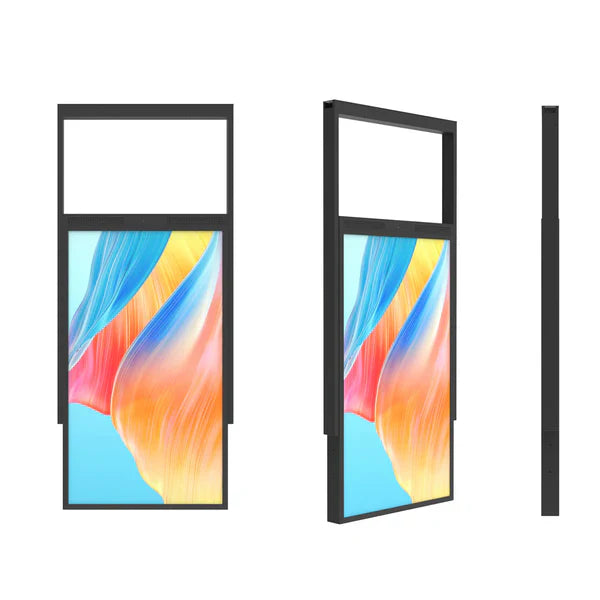
Different window setups also require varied installation methods. Wall mounting, suspension, or floor stand placement each have unique benefits. Suspended screens stand out in open or tall windows, while floor stands suit smaller spaces or temporary displays. Proper installation ensures optimal visibility without compromising the overall aesthetic of the window.
Brightness and Visibility Matter
Window advertising often faces direct sunlight or mixed lighting conditions. Regular screens tend to appear dim or reflective in these environments, whereas high-brightness LCD displays reach up to 2500 nits, maintaining clear and vivid content even under strong sunlight. High contrast and optimized color reproduction further enhance image clarity, making product visuals and promotional materials more engaging.
This brightness advantage ensures that content is captured at first glance and encourages longer viewer engagement, strengthening brand recognition and recall in high-traffic locations such as shopping streets, mall entrances, and exhibition windows.
Smart Content Management and Ease of Updates
High-brightness LCD displays feature Android systems and cloud management platforms, enabling remote content updates, scheduled playback, and centralized control. Retailers can upload promotional campaigns, seasonal messages, or new product information via the cloud, keeping window content fresh and relevant. USB import provides a convenient option for single-store or small-scale applications.
These features support multi-screen synchronization or differentiated content display, increasing operational efficiency and ensuring professional-grade window advertising. Some models can even support touch or interactive extensions, allowing potential future engagement experiences.
Size Matching for Maximum Impact
Screen size is key to visual impact. For small windows or close-up viewing, 32"–49" screens are ideal. Medium windows or focal points benefit from 55"–65" displays, while large windows or high-traffic areas require 75"–86" screens to attract attention from a distance.
Single-sided displays suit content facing the main customer flow, while double-sided displays increase information coverage from multiple directions. By matching size and type to window needs, every display achieves maximum impact.
Choosing the Right Display Naturally
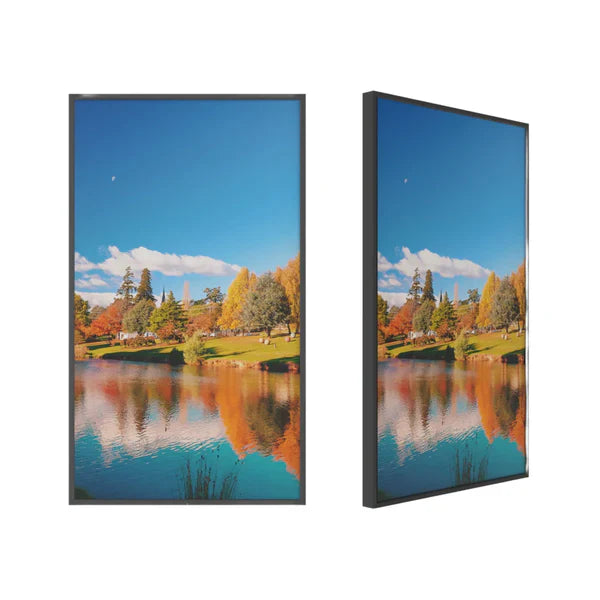
Considering window size, viewing distance, and installation method, retailers can select from the following high-brightness LCD displays:
Conclusion: Maximize Impact with Smart Choices
Choosing a high-brightness LCD window display involves considering size, brightness, installation method, and application scenario. By planning carefully and making informed choices, window displays can attract attention, increase dwell time, and enhance brand recognition, ensuring every advertising opportunity delivers maximum value.