Article: How High-Brightness LCD Displays Enhance Window Advertising
How High-Brightness LCD Displays Enhance Window Advertising
New Challenges in Window Advertising
In modern retail and commercial spaces, windows are not only a showcase for products but also an essential touchpoint for establishing first impressions with customers. As streets, shopping malls, and experience stores increasingly emphasize visual marketing, the role of window displays becomes more critical. Traditional screens often face two main issues in high-light environments: excessive reflection, which reduces content visibility, and insufficient brightness, causing images to appear dim under direct sunlight. In high-traffic streets or large window areas, these limitations can directly impact brand exposure and customer engagement. High-brightness LCD window displays provide an effective solution to these challenges.
Visual Science and Attention Capture
From a visual science perspective, the human eye is highly sensitive to brightness and contrast. When a screen reaches 2500 nits of brightness with vibrant colors, it immediately captures attention and encourages viewers to linger longer. This ensures that the content is not only noticed at first glance but also remembered. Such high-brightness displays are particularly effective in street-facing windows, mall entrances, and exhibition spaces, where they can deliver instant visual impact and make the brand easily recognizable.
Additionally, high-brightness screens offer superior color reproduction, maintaining vivid and clear images even under strong sunlight. Product photos, promotional posters, or dynamic content remain sharp and attractive, enhancing both customer engagement and brand perception.
Content Presentation and Technical Advantages
High-brightness LCD displays excel not only in brightness but also in content presentation and playback technology. With an embedded high-performance Android system and powerful processor, they support high-definition video playback, scheduled content loops, and remote cloud updates. USB content import allows for quick and convenient updates as well.
This means retailers can adjust window content according to promotions, seasonal themes, or new product launches without frequent manual intervention. Features like dynamic content playback, looped schedules, and timed updates keep displays fresh and relevant, ensuring precise and engaging messaging.
Flexible Installation and Spatial Adaptation
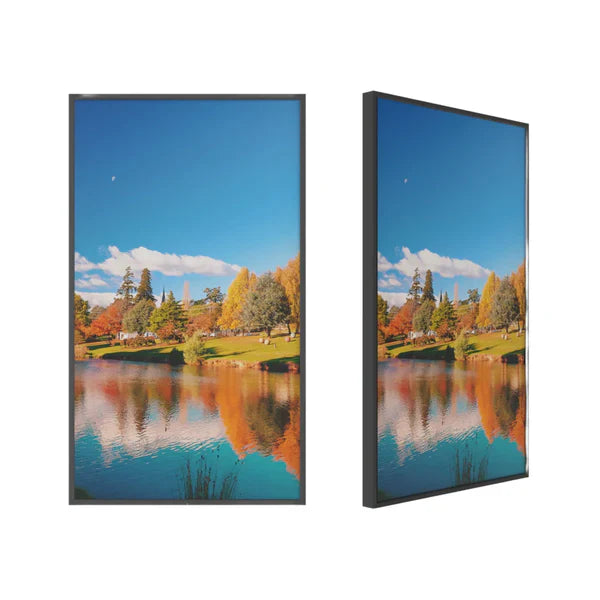
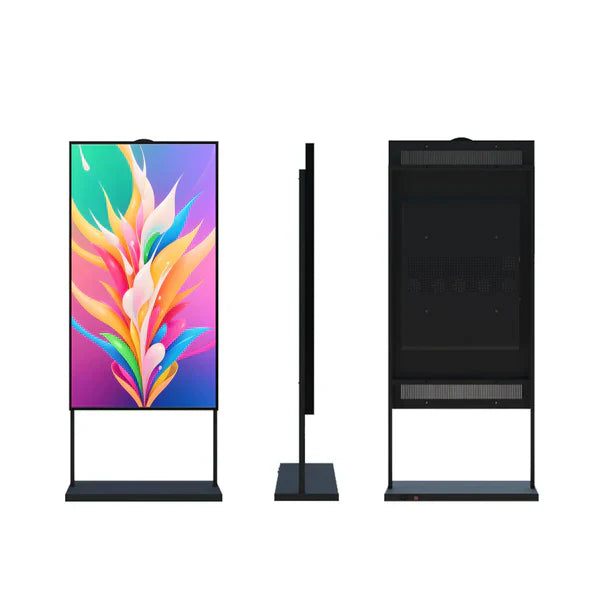
Window display spaces vary greatly, and high-brightness LCD screens offer multiple installation options, including wall mounting, floor stands, and suspension. Retailers can adjust placement and viewing angles based on window size and surrounding environment.
For example, wall-mounted installations work well for narrow or vertical windows, maximizing space utilization, while suspended installations in open or large windows can increase visual transparency and allow the screen to be seen from multiple angles. Proper installation maximizes visual impact while maintaining harmony with window design and decor.
Size Selection and Visual Impact
The size of the display should be matched to the environment and viewing distance. For small windows or close-up viewing, 32", 43", or 49" screens are ideal. Medium windows or main visual focal areas benefit from 55" and 65" screens to create a strong visual center. Large windows or high-traffic areas require 75" or 86" displays to attract attention from a distance and maximize advertising impact.
Single-sided screens are ideal for content facing customers directly, while double-sided screens can provide information visibility from multiple directions. Properly choosing size and layout ensures every window display reaches its full potential.
Selecting Screens Based on Window Needs
Depending on window size and viewing requirements, retailers can choose from the following high-brightness LCD displays:
Conclusion: Maximizing Impact with Smart Choices
High-brightness LCD window displays solve visibility challenges in bright environments and, combined with flexible installation and intelligent content management, significantly enhance overall window advertising performance. By carefully matching screen size, brightness, and layout, brands can attract more attention, improve customer engagement, and strengthen brand recall.