How to Choose the Right Stretched LCD Display: A Practical, Scenario-Based Guide
With a wide range of sizes and configurations available, selecting the right stretched LCD display can initially seem complex. However, the decision becomes much simpler when approached from a practical perspective—focusing on how and where the display will actually be used rather than just comparing specifications.
The first and most important factor is the physical layout of your shelving. Since these displays are designed to align with shelf edges, their length should correspond closely to the available space. A well-matched display creates a clean, integrated look, while a poorly sized one can disrupt visual consistency and reduce effectiveness.
Viewing distance is another key consideration. Even though these displays are typically viewed up close, clarity and readability still depend on proper sizing. Ensuring that text and visuals are easily legible from typical customer positions is essential for maintaining usability.
Do You Need Touch Functionality?
Some stretched LCD displays offer optional touch capabilities, which can be valuable in certain environments. For example, in showrooms or interactive retail spaces, touch functionality allows customers to explore additional product information directly on the screen.
However, for standard shelf-edge applications, touch is often unnecessary. Most customers interact visually rather than physically in these contexts, so investing in touch features should depend on whether interactivity is a core part of your customer experience strategy.
Choosing the Right Content Management Approach
Another important consideration is how you plan to manage and update content. For businesses with multiple locations or frequent updates, cloud-based CMS platforms provide significant advantages. They allow centralized control, scheduling, and real-time updates across all devices.
On the other hand, if your use case is relatively simple—such as displaying static promotions or looping videos—USB playback may be sufficient. This option reduces complexity while still delivering the benefits of digital signage.
Understanding your operational needs will help you choose a solution that balances functionality with ease of use.
Suggested Options for Different Requirements
|
Scenario |
Suggested Option |
|
Long continuous shelving |
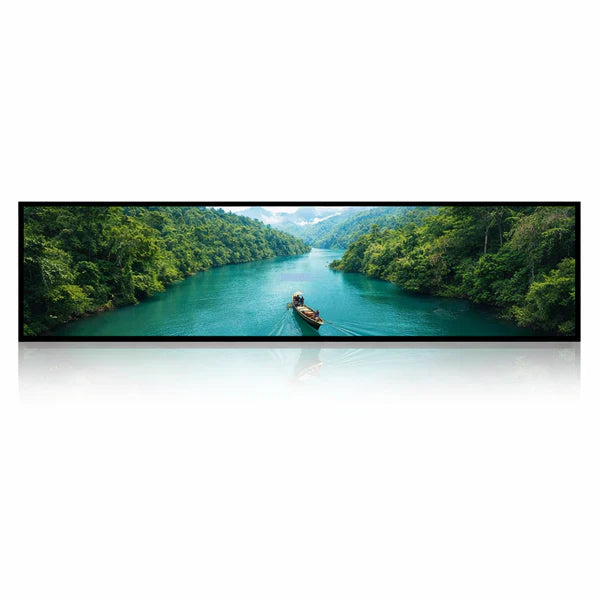
65.7" Stretched LCD Display – ideal for large-scale shelf coverage |
|
Premium display zones |
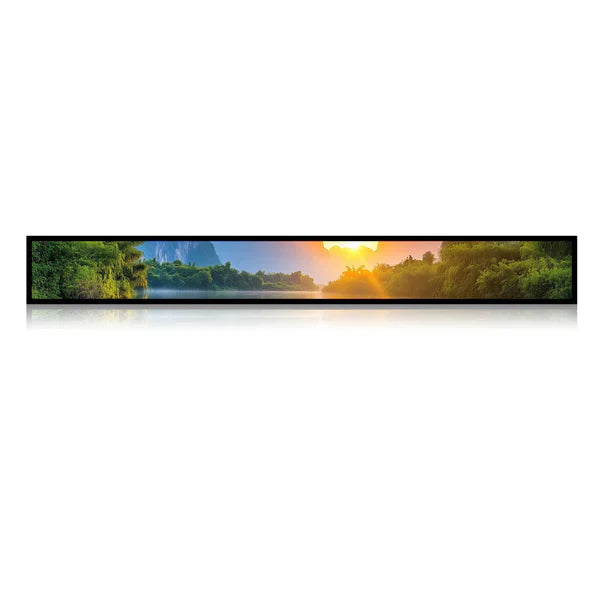
88" Ultra-Wide LCD Display – suitable for high-end visual presentation |
|
Standard retail shelves |
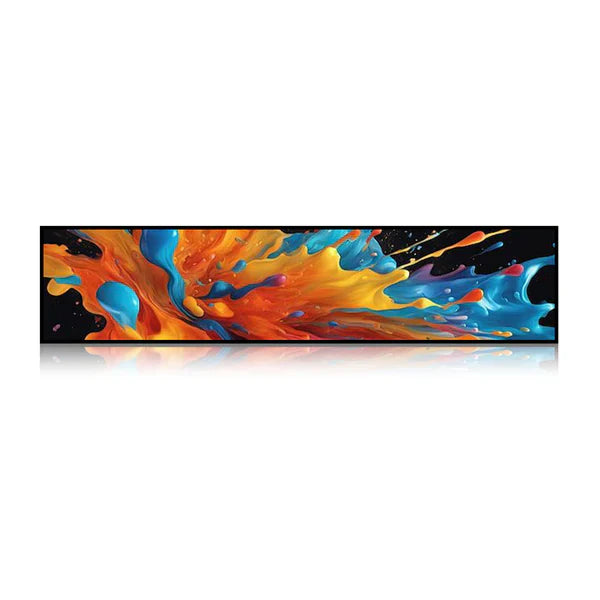
28.6" Stretched LCD Screen – balanced for everyday applications |
Final Thoughts
Choosing the right stretched LCD display is ultimately about aligning the product with your specific retail environment and operational goals. By focusing on factors such as size, functionality, and content management, you can create a solution that not only fits your space but also enhances the overall shopping experience and drives better results.