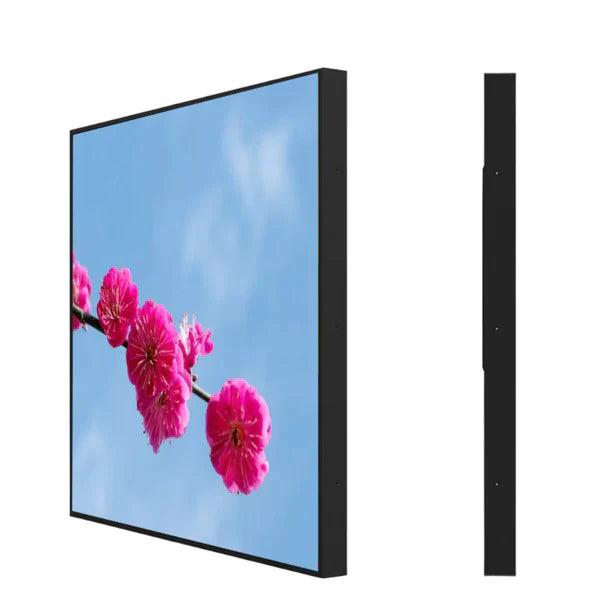
Article: Square vs. Circular LCD Displays: A New Visual Expression Beyond Traditional Screen Ratios
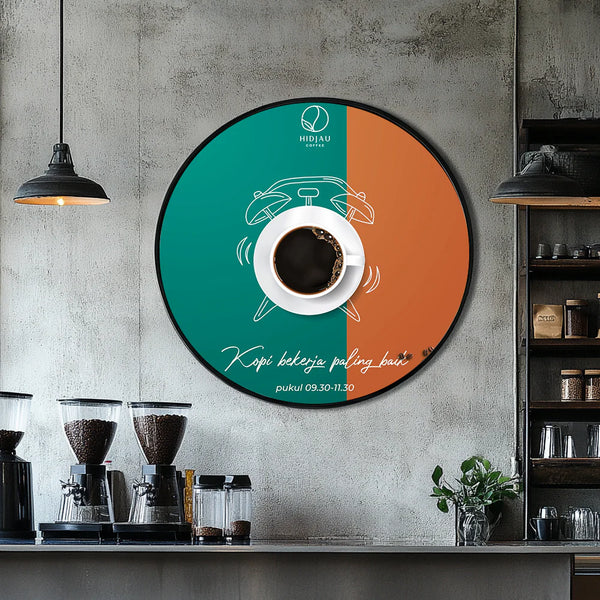
Square vs. Circular LCD Displays: A New Visual Expression Beyond Traditional Screen Ratios
In most commercial environments, displays are typically limited to the standard 16:9 rectangular format. While this format is versatile and widely accepted, it is increasingly perceived as uninspiring in spaces where interior design and brand identity matter. As retail stores, showrooms, and brand experience centers evolve toward immersive experiences, the limitations of traditional screens in capturing attention are becoming apparent. This shift has driven the rise of square and circular LCD displays as a fresh approach to visual storytelling.
Compared to conventional screens, the most striking feature of square (1:1) and circular displays is the visual contrast they create. When users are accustomed to horizontal wide screens, these non-standard proportions naturally draw the eye. They act not only as content carriers but also as integral components of spatial design, actively contributing to the overall visual atmosphere.
These screens also offer greater adaptability within different spatial layouts. Square displays integrate naturally into wall structures or display arrangements, while circular screens soften rigid edges, adding fluidity and visual interest. This difference in form factor often leaves a more memorable impression than content alone.
From a functionality perspective, these displays retain full digital signage capabilities, including video playback, dynamic content presentation, and remote content management. They are therefore not simply “design-first, functionality-second” devices; they strike a balance between visual innovation and practical utility.
Designed for Creative Display and Brand Expression
In brand environments, square and circular LCD displays shine in creating atmosphere and visual focal points. In retail, they can highlight key products or thematic areas, adding layers of depth. At exhibitions or trade shows, these displays become part of immersive installations, enhancing narrative cohesion.
These devices are particularly suited for customized content. Brands can design dynamic visual effects around circular displays or construct modular content walls using square displays. This synergy between content and screen shape strengthens immersion and brand recognition.
They also support multi-screen configurations. Multiple square displays can form orderly arrays, while circular screens can serve as accent elements, creating rhythmic and visually appealing layouts. This flexibility makes them suitable for a wide range of applications, from small-scale displays to expansive spatial designs.
Reference Guide for Different Visual Needs
|
Use Case |
Recommended Display |
|
Small creative display |
19.2" Square LCD – ideal for refined presentation spaces |
|
Standard visual combination |
26.5" Square Display – suitable for array layouts |
|
Medium visual focus |
33.3" Square LCD – perfect for primary visual areas |
|
Large spatial display |
44.9" Large Square Screen – enhances spatial presence |
|
Creative accent |
23.6" Circular LCD – ideal for differentiated displays |
Conclusion
Square and circular LCD displays are more than just different screen sizes—they represent a new mode of visual expression. By breaking traditional ratios, they help brands create stronger visual memory points while enhancing overall display impact.