Transparent LED Window Displays: Dynamic Content Without Blocking Your View
As retail environments and commercial spaces continue to evolve, businesses are looking for ways to present dynamic content without compromising natural light or interior visibility. Transparent LED window displays are designed to solve this exact challenge by combining high transparency with vivid digital visuals. Unlike traditional LED screens, these displays allow you to showcase advertising content while still maintaining a clear view through glass windows or facades.
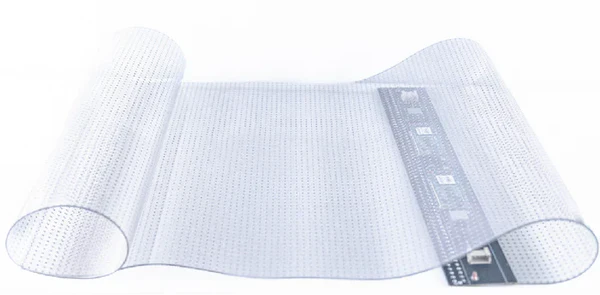
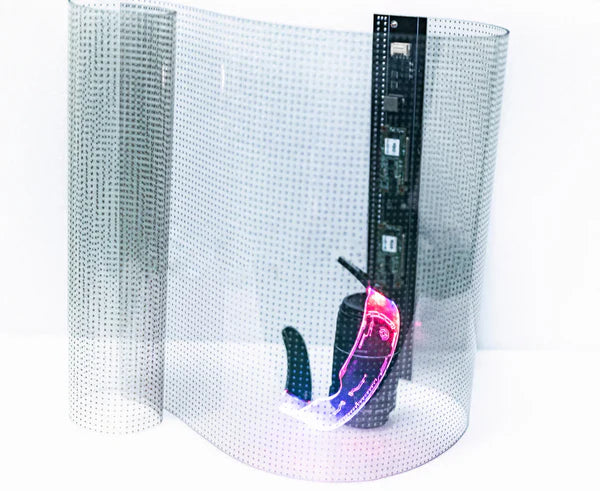
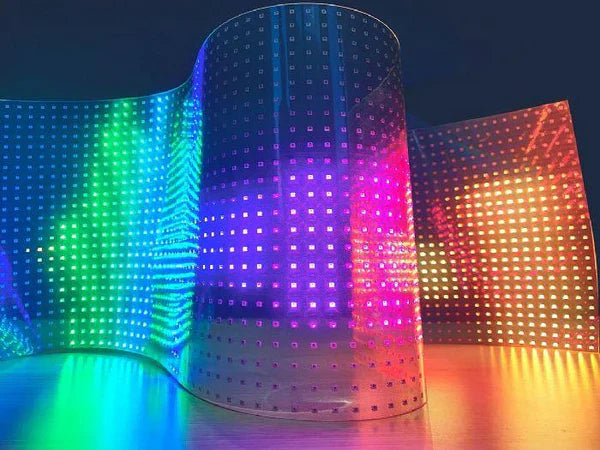
The structure of transparent LED screens is fundamentally different from conventional panels. Instead of a solid surface, they use a strip-based LED layout that leaves gaps for light to pass through. This design enables high transparency levels—often exceeding 90%—which means that when the screen is not actively displaying dense content, it becomes almost invisible. For retail storefronts, this is especially valuable, as it allows both product displays and digital content to coexist without visual conflict.
Balancing Brightness and Transparency
One of the most important considerations in transparent LED displays is the balance between brightness and transparency. High brightness ensures that content remains visible even in strong ambient lighting conditions, such as direct sunlight in storefront windows. At the same time, high transparency preserves the openness of the space and avoids creating a “blocked” feeling.
Modern transparent LED displays typically offer brightness levels ranging from 1500 to 4000 nits, making them suitable for both indoor and semi-outdoor environments. Meanwhile, transparency levels of 90% or higher ensure that the display integrates seamlessly into glass surfaces. This balance is what allows these screens to function effectively as both a display medium and a design element.
Pixel Pitch and Viewing Distance
Pixel pitch plays a key role in determining image clarity and viewing experience. Smaller pixel pitches such as P4 or P5 deliver finer image details, making them ideal for close viewing distances like retail windows or indoor glass partitions. Larger pixel pitches such as P10, P15, or P20 are better suited for long-distance viewing, where ultra-fine detail is less critical but brightness and cost efficiency become more important.
Choosing the right pixel pitch depends on how far the audience will be from the display and what type of content will be shown. For example, text-heavy or product-focused visuals benefit from smaller pitches, while large-scale branding visuals can perform well with larger pitches.
Easy Installation and Adaptability
Transparent LED window displays are designed with ease of installation in mind. Many models feature adhesive glass-mount designs that can be directly applied to existing glass surfaces without requiring heavy structural modifications. This plug-and-play approach significantly reduces installation time and cost, making it ideal for retrofit projects or temporary campaigns.
In addition, these displays support modular expansion. Multiple panels can be combined to cover larger glass areas, from small storefront windows to full building facades. This flexibility allows businesses to scale their display solutions according to their needs without being limited by standard screen sizes.
Recommended Products
|
Application |
Product (Click to View) |
|
Small Retail Windows |
|
|
Medium Precision Displays |
|
|
High-Definition Close Viewing |
Conclusion
Transparent LED window displays offer a unique way to combine digital content with physical space. By maintaining visibility while delivering dynamic visuals, they allow businesses to enhance storefront appeal without sacrificing design or natural light. This makes them an increasingly popular choice for modern retail and architectural applications.